VR Motion Sickness: Causes, Advances, and How to Create Safer Experiences
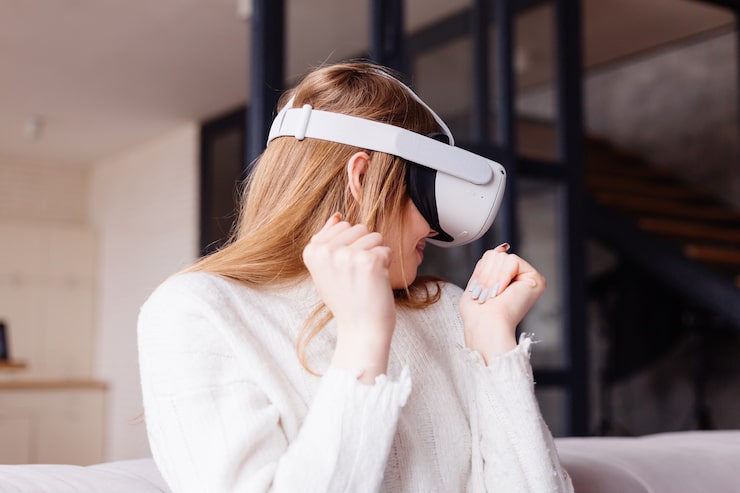
Virtual reality (VR) offers unique immersive experiences, but it can also cause an uncomfortable sensation known as VR motion sickness or cybersickness. This phenomenon is characterized by symptoms such as nausea, cold sweats, headaches, fatigue, and disorientation, similar to motion sickness in vehicles. Why does it happen? VR motion sickness mainly occurs due to a conflict between what the eyes perceive and what the inner ear’s vestibular system senses. While the eyes receive visual stimuli of movement inside the virtual environment, the body remains still. This sensory contradiction triggers discomfort. Advances to reduce the problem In recent years, hardware manufacturers and software developers have worked on solutions to minimize this effect. Key improvements include: - Better headset displays with higher refresh rates and resolution. - Reduced latency to minimize delays between real and virtual movements. - Smoother transitions and more intuitive controls in VR experiences. - Comfort settings such as visual reference points or alternative locomotion modes. Differences between men and women Several studies suggest that VR motion sickness occurs more frequently in women than in men. This may be related to physiological differences in the vestibular system and spatial perception, though research is still ongoing to better understand these variations. How to manage the issue in VR experiences To ensure comfortable and safe experiences, content creators and developers must address this challenge. Recommendations include: - Designing short, progressive sessions for new users. - Offering customizable locomotion options. - Incorporating visual anchors and rest points within the environment. - Educating users to recognize symptoms and stop the experience if necessary. Virtual reality has enormous potential, but its success also depends on the ability to deliver inclusive, safe, and user-friendly experiences. Reducing motion sickness is a key step toward making VR a truly universal technology.
Glines Benitez Schmitz
2/22/2026
"With every advance in VR, the world becomes more accessible, more immersive, more incredible."